Table of Contents
- Affordable 4.5-Generation Fighters in 2025: Capability, Cost, and Combat Experience
- JF-17 Thunder Block III, Modern, Mature, and Combat-Proven
- Saab Gripen, Advanced Technology, Low Costs
- KAI FA-50 Block 20, A Practical Light Fighter
- MiG-35, Strong Specifications, Minimal Real Use
- Used and Upgraded F-16s, One of the Most Combat-Experienced Jets in History
- HAL Tejas, Indigenous Program Under Scrutiny After Recent Crash
- Final Assessment
Affordable 4.5-Generation Fighters in 2025: Capability, Cost, and Combat Experience
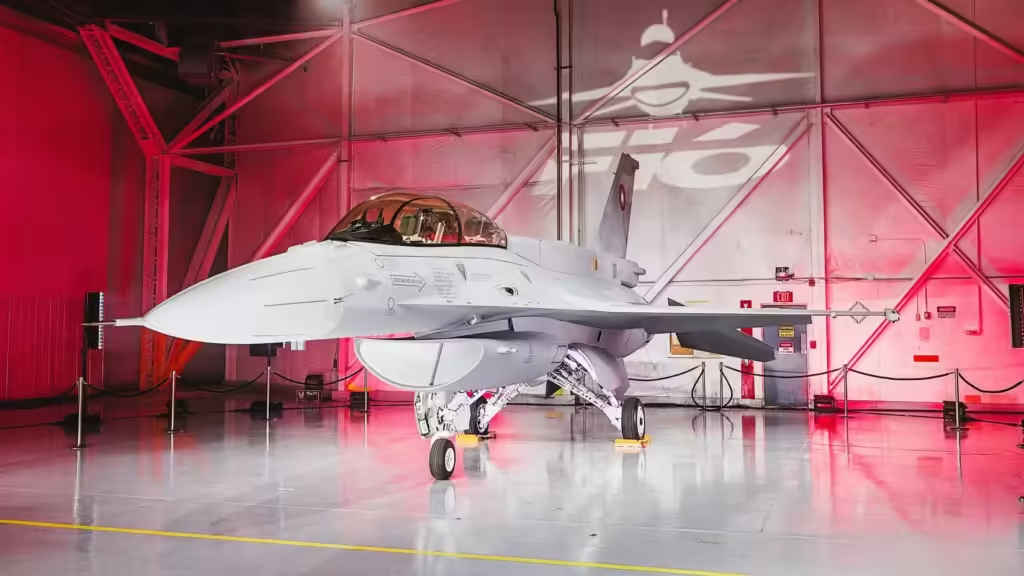
As global defense budgets tighten and geopolitical tensions rise, many countries are turning toward affordable 4.5-generation fighters. These aircraft offer modern avionics, AESA radars, precision weapons, and multirole capability but at a fraction of the cost of fifth-generation platforms.
In 2025, several jets dominate this category: the JF-17 Block III, Saab Gripen, KAI FA-50, MiG-35, used F-16s, and India’s HAL Tejas. Each occupies a distinct position in the market, shaped not only by performance and cost but also by combat history, production maturity, and geopolitical factors.
Below is a detailed, neutral analysis suitable for an international defense blog.
JF-17 Thunder Block III, Modern, Mature, and Combat-Proven
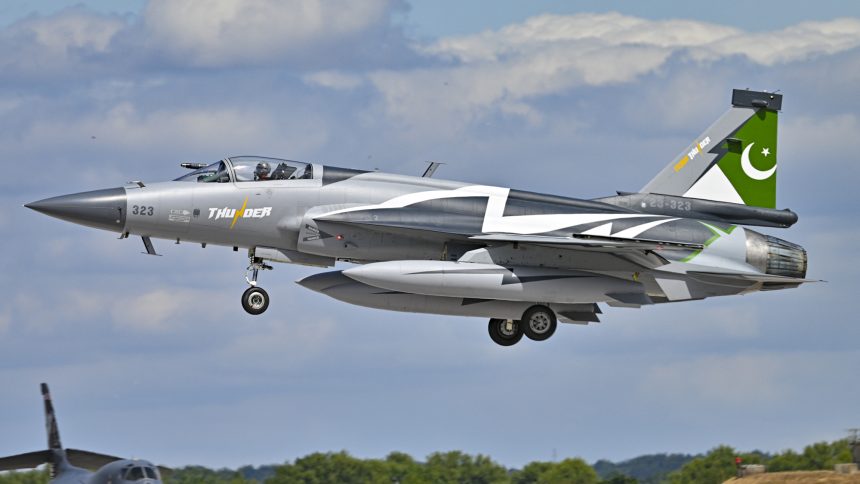
The JF-17 Thunder was developed jointly by Pakistan and China to provide a cost-effective multirole fighter free from sanction vulnerabilities. The Block III version is a major technological update, equipped with KLJ-7A AESA radar, PL-15 BVR missiles, a modern EW suite, helmet-mounted display, and improved cockpit and data integration.
Combat Proven
Yes. The JF-17 has confirmed combat participation in Operation Swift Retort in 2019 and border skirmish activity in 2025. These engagements increase its credibility among export clients.
Market Standing
With over 170 aircraft produced across all blocks and active interest from countries like Iraq, Iran, and Bangladesh, the JF-17 remains one of the strongest options in the low-cost fighter category.
Saab Gripen, Advanced Technology, Low Costs
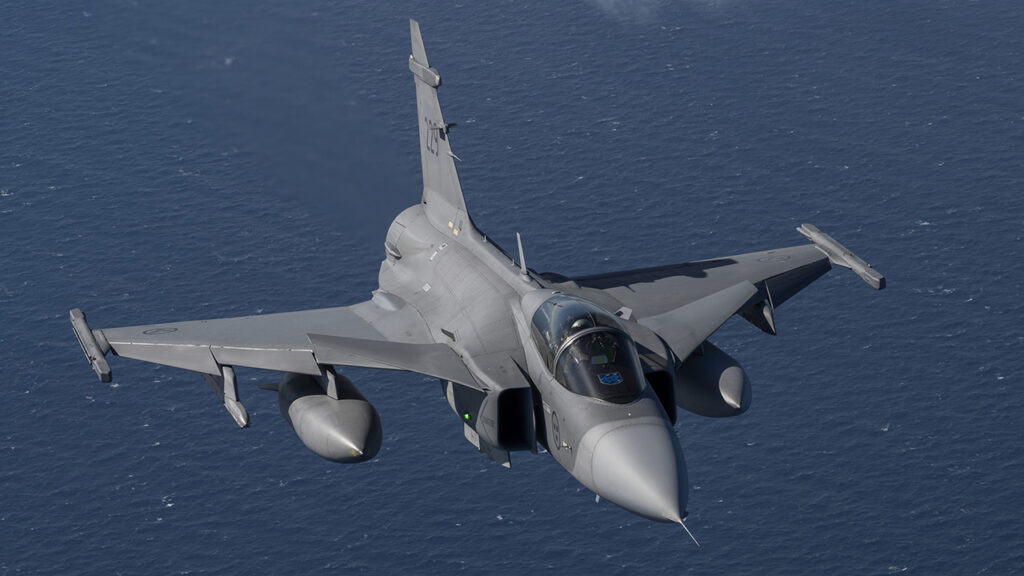
Sweden designed the Gripen for independence, rapid turnaround times, and low maintenance needs. It is one of the few Western fighters optimized for dispersed operations, including short or improvised runways. Key strengths include highly advanced electronic warfare systems, reliable Western avionics, and predictable lifecycle and maintenance costs.
Combat Proven
No. The Gripen has not been used in real combat. All operational experience comes from NATO exercises, international joint training, and air policing missions. Its lack of wartime history does not reflect poorly on performance but is relevant for risk-averse buyers.
KAI FA-50 Block 20, A Practical Light Fighter
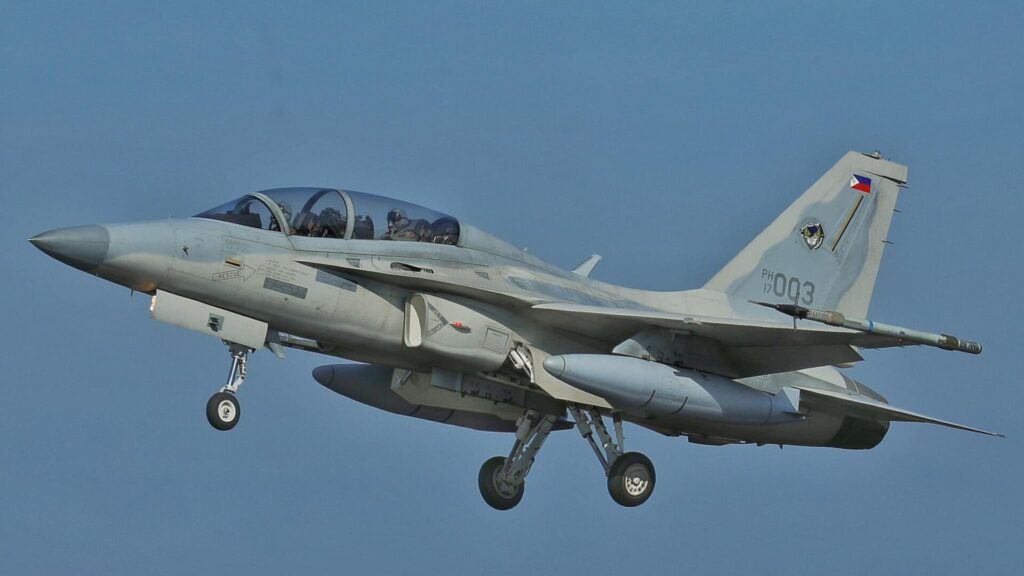
South Korea’s FA-50 evolved from the T-50 Golden Eagle trainer into a fully capable light multirole fighter. Its Block 20 version features AESA radar, precision strike capability, and a modern glass cockpit. The aircraft appeals to nations seeking lower acquisition and operating costs with reliable after-sales support.
Combat Proven
No. Despite widespread deployment, the FA-50 has never been used in actual combat, though it has conducted routine patrol and interception missions. Many buyers value its simplicity and reliability regardless of combat record.
MiG-35, Strong Specifications, Minimal Real Use
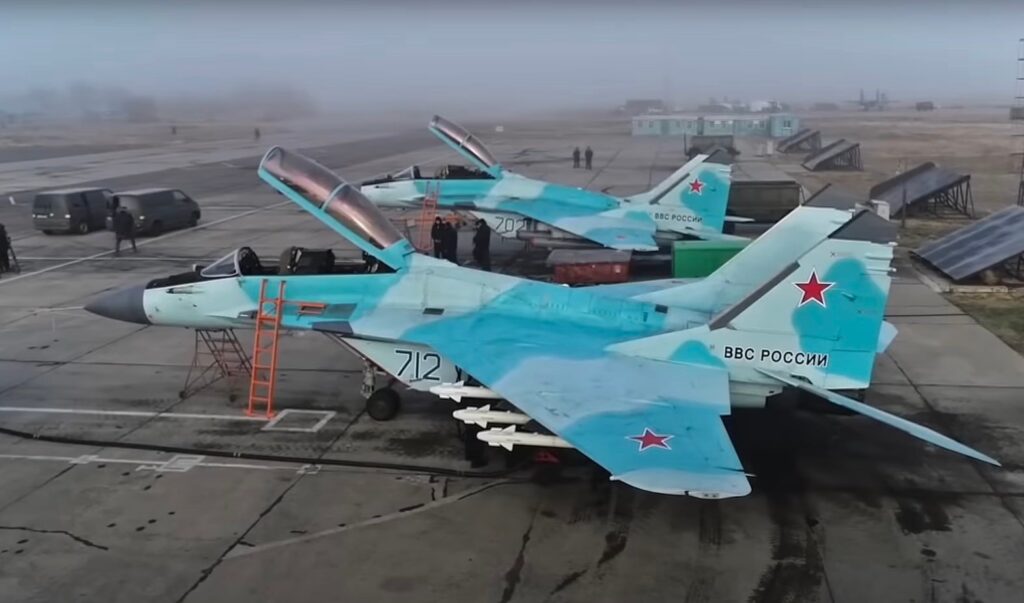
Russia’s MiG-35 is marketed as a heavy, twin-engine 4++-generation fighter. It features Zhuk-AE AESA radar, high payload capacity, and upgraded EW systems. However, the aircraft faces challenges including sanctions, lack of foreign orders, and limited Russian procurement.
Combat Proven
No. The MiG-35 has not seen combat, and only a small number are in service. Its predecessor, the MiG-29, has combat experience, but the MiG-35 itself does not. This absence of real-world use is one reason many potential buyers remain hesitant.
Used and Upgraded F-16s, One of the Most Combat-Experienced Jets in History
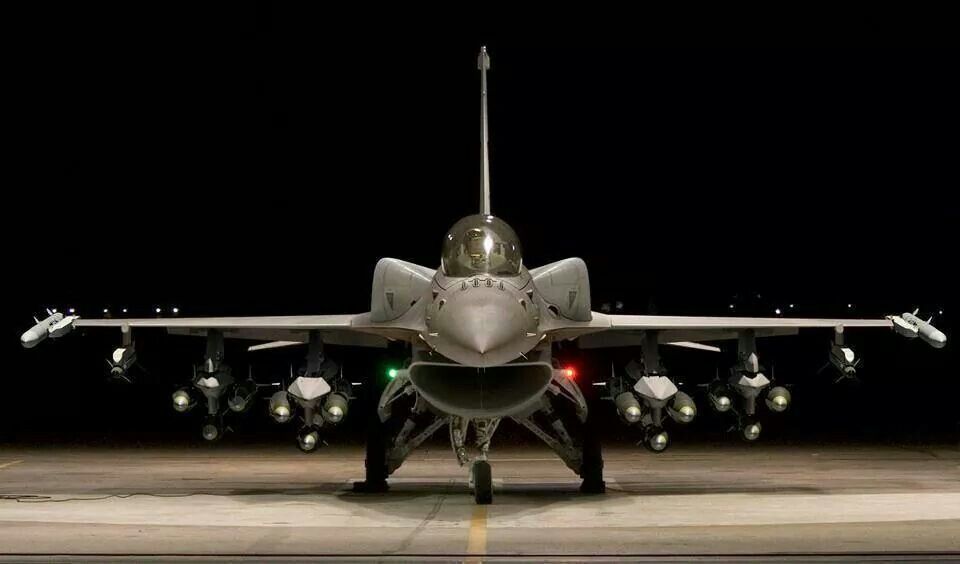
Many nations continue to acquire used or modernized F-16s. When upgraded with advanced radars like the APG-83 SABR, these older jets remain highly capable.
Combat Proven
Yes, extensively. No aircraft in this category comes close to the F-16’s combat record, which includes Middle East conflicts, NATO operations, counter-insurgency and precision strike missions, and large-scale air-to-air engagements. Its proven track record continues to make it attractive, despite high operating costs.
HAL Tejas, Indigenous Program Under Scrutiny After Recent Crash
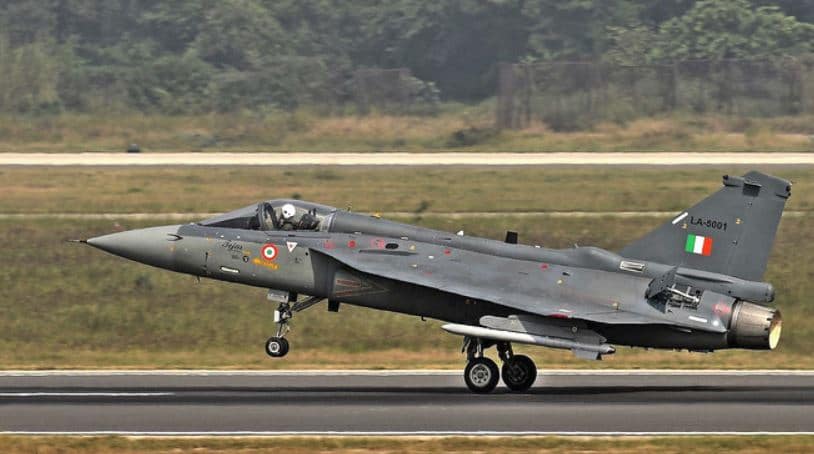
The Tejas is India’s attempt to develop a fully indigenous fighter. While it has steadily improved, the program has faced delays, redesigns, and slow production rates. A critical issue in 2025 is the recent Tejas crash, which has drawn attention from foreign observers. Investigations are ongoing, but the timing impacts export ambitions at a stage when India has been targeting new customers.
Combat Proven
No. The Tejas has not participated in combat. Its only operational deployments are routine patrols along the Indian border.
Effect of the Recent Crash
The crash has created caution among countries evaluating the aircraft. Nations such as Argentina, Philippines, and some Middle Eastern states may now prioritize platforms with faster delivery timelines, established safety records, and larger production bases. This does not end Tejas export prospects but temporarily slows momentum.
Final Assessment
The 2025 affordable-fighter landscape is defined by practicality, budget realities, and mission needs. Combat proven aircraft include the JF-17 and F-16. Aircraft not combat proven include the Gripen, FA-50, MiG-35, and Tejas.
The JF-17 Block III currently leads the category in cost-to-capability value, especially for nations seeking modern avionics and BVR strength at low cost. Gripen remains the best Western option with controlled expenses. FA-50 fills the light-fighter niche effectively. The MiG-35 suffers from political and logistical constraints, while Tejas faces renewed scrutiny after the recent accident.
The global trend is clear: air forces want capability they can afford now, not promises tied to long development cycles.